Navigating EPA Guidelines for Oil Storage Compliance
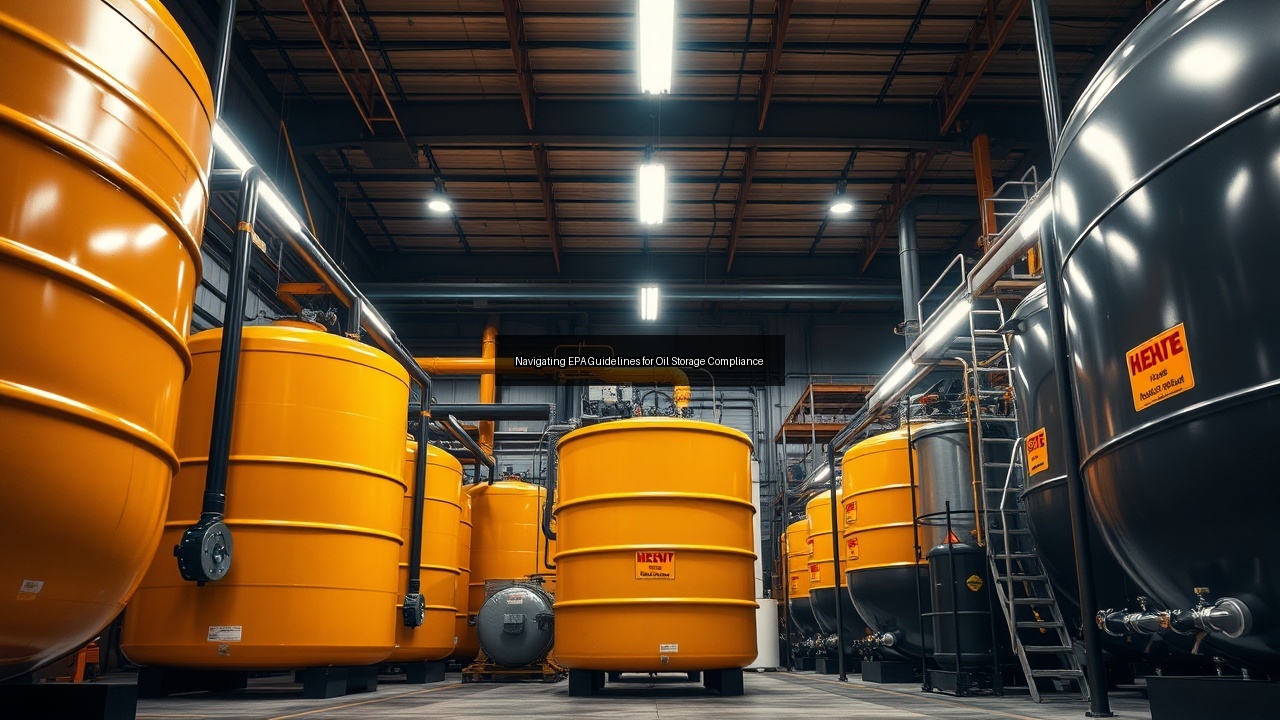
Understanding EPA Guidelines for Oil Storage
Overview of EPA Regulations
The Environmental Protection Agency (EPA) sets forth specific regulations governing bulk oil storage and dispensing systems to protect human health and the environment. These regulations primarily stem from the Clean Water Act, which mandates that facilities storing oil must prevent spills and ensure safe containment. The Spill Prevention, Control, and Countermeasure (SPCC) rule outlines requirements for oil storage tanks, including the need for secondary containment, regular inspections, and employee training. Facilities must develop and implement an SPCC plan that details compliance measures and response protocols, ensuring that operations align with EPA standards.
Importance of Compliance for Businesses
Compliance with EPA guidelines is essential for businesses involved in bulk oil storage and dispensing. Adhering to these regulations not only minimizes the risk of environmental contamination but also protects companies from potential legal penalties and fines. A strong compliance record enhances a company’s reputation, making it more attractive to customers and partners who prioritize sustainability. Additionally, compliant operations can lead to more efficient use of resources, ultimately resulting in cost savings. By proactively managing their oil storage practices, businesses can safeguard both their assets and the environment.
Consequences of Non-Compliance
Neglecting EPA regulations can lead to severe consequences for businesses. Fines and penalties for non-compliance can be substantial, often reaching thousands of dollars per violation. Beyond financial repercussions, companies may face legal actions, which can damage their reputation and lead to loss of customer trust. Environmental incidents, such as oil spills, can result in cleanup costs that far exceed initial compliance expenses. Furthermore, non-compliance can lead to increased scrutiny from regulatory bodies, potentially resulting in more frequent inspections and heightened operational restrictions.
Designing Effective Bulk Oil Storage Systems
Choosing the Right Materials: Steel vs. Polyethylene Tanks
When designing bulk oil storage systems, selecting the appropriate tank material is crucial. Steel tanks offer durability and resistance to various environmental factors, making them a popular choice for long-term storage of lubricants and other fluid products. They can withstand high pressures and are less prone to damage from impacts. Conversely, polyethylene tanks are lightweight, corrosion-resistant, and easy to install. They work well for specific applications but may not hold up as effectively in extreme conditions. Evaluating operational needs and environmental factors will guide the decision between steel and polyethylene tanks, ensuring optimal performance and compliance with EPA guidelines.
Understanding Tank Types: Welded and Gravity Feed
Choosing the right tank type is pivotal for effective bulk oil storage and dispensing. Welded tanks provide robust structural integrity, ideal for long-term storage of larger quantities, such as those found in commercial operations. Their seamless construction minimizes the risk of leaks, which is critical for compliance with EPA regulations. On the other hand, gravity feed tanks facilitate fast and efficient dispensing of oil. These tanks utilize gravity to move the fluid, reducing the need for complex pump systems. Understanding the operational requirements and the nature of the oil being stored will help businesses select the best tank type for their needs.
Sizing Your Bulk Oil Storage: From 55 Gallon Drums to Large Tanks
Proper sizing of bulk oil storage systems is vital for efficient operations and regulatory compliance. Businesses often start with 55-gallon drums for smaller volumes, perfect for workshops and maintenance facilities. As demand increases, scaling up to larger tanks—ranging from a few hundred gallons to thousands—becomes necessary. The size of the tank should reflect not only current operational needs but also projected growth. Over-sizing can lead to increased costs and wasted space, while under-sizing can cause operational delays. Conducting a thorough assessment of oil consumption patterns and storage needs will ensure the facility operates smoothly and meets EPA guidelines.
Implementing Safe Dispensing Practices
Best Practices for Bulk Oil Dispensing Systems
Implementing best practices in bulk oil dispensing systems is essential for ensuring safety and compliance. Facilities should install automatic shut-off valves to prevent overfilling and spills. Regular maintenance checks on dispensing equipment will catch any wear and tear that could lead to failures. Staff training on proper handling techniques and emergency protocols also plays a crucial role in maintaining safety standards. Utilizing clear labeling and signage around dispensing areas reinforces safe practices and ensures that all personnel understand the risks and procedures associated with oil handling.
Incorporating Filtration Systems for Oil Quality
Maintaining oil quality is vital in bulk oil storage and dispensing systems. Incorporating effective filtration systems helps remove contaminants that could compromise lubrication properties. Filtration can prevent particles, water, and other impurities from entering storage tanks and equipment, thereby extending the life of lubrication oils and machinery. Regular monitoring of filtration systems ensures they operate efficiently, minimizing downtime and maintenance costs. Businesses should select appropriate filters based on the specific oil type and its intended application, ensuring optimal performance and compliance with industry standards.
Pneumatic Systems vs. Gravity Feed Systems
Choosing between pneumatic systems and gravity feed systems for oil dispensing requires careful consideration of operational needs. Pneumatic systems utilize air pressure to transfer oil, offering quick and efficient dispensing even in remote locations. They are highly effective for large-scale operations where speed and volume are crucial. Conversely, gravity feed systems rely on the natural force of gravity, making them simpler and often more cost-effective for smaller operations. These systems are easier to maintain and operate. Evaluating the specific requirements of the facility will help in selecting the most appropriate dispensing method.
Fire Safety and Environmental Considerations
Fire Safety Standards for Oil Storage Facilities
Fire safety standards play a critical role in the design and operation of oil storage facilities. The National Fire Protection Association (NFPA) sets guidelines that facilities must adhere to, including proper tank placement, ventilation, and fire suppression systems. Storage tanks must maintain adequate distances from structures and property lines to minimize fire risk. Facilities should also implement regular fire safety drills and employee training to prepare for potential emergencies. Compliance with OSHA regulations further enhances workplace safety and ensures that all personnel are equipped to handle fire-related incidents effectively.
Handling Waste Oil: Regulations and Best Practices
Proper handling of waste oil is essential for both environmental protection and regulatory compliance. Facilities must adhere to EPA guidelines regarding the storage and disposal of waste oil to prevent contamination and potential fines. Implementing best practices includes using designated containers for waste oil, keeping them clearly labeled and secured to prevent leaks. Regular inspections and monitoring of waste oil containers ensure that facilities remain compliant and minimize risks. Additionally, businesses should explore recycling options for used oil, which can reduce waste and contribute to sustainability efforts.
Emergency Response Plans for Oil Spills
An effective emergency response plan is crucial for managing oil spills and minimizing environmental impact. Facilities must develop a comprehensive plan that outlines procedures for spill detection, containment, and cleanup. Regular drills and training sessions will prepare staff to respond swiftly and effectively to spills. Additionally, maintaining an inventory of spill response equipment—such as absorbent materials, containment booms, and personal protective equipment—ensures that the facility can act promptly in the event of an incident. Compliance with EPA spill response regulations not only protects the environment but also enhances the facility's overall safety culture.