Revolutionizing Beverage Manufacturing with Tailored Blending Services
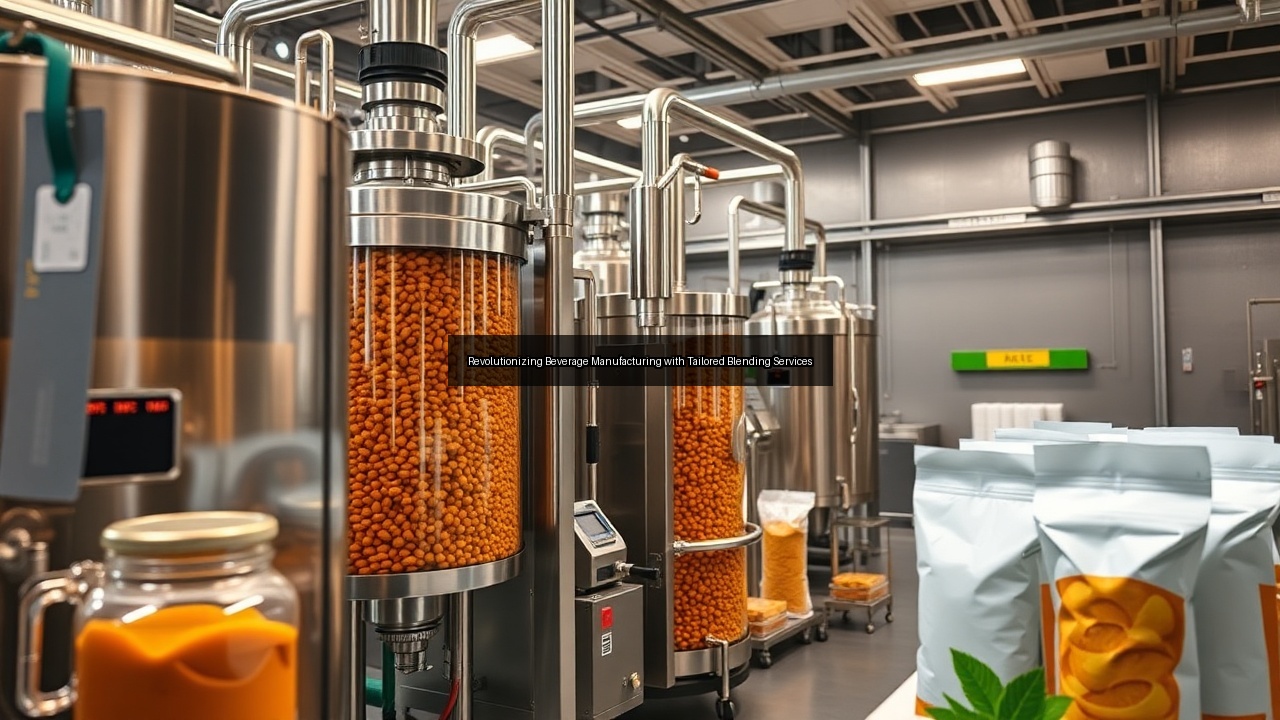
The Importance of Custom Blending Solutions in Beverage Manufacturing
Understanding Custom Blending
Custom blending solutions play a pivotal role in the beverage manufacturing industry, enabling producers to create unique flavor profiles that cater to diverse consumer preferences. This process involves the precise mixing of various food ingredients, such as juices, purees, and flavor extracts, to achieve a desired taste and consistency. Custom blends allow manufacturers to differentiate their products in a highly competitive market, providing consumers with innovative tastes that stand apart from standard offerings. By understanding the intricacies of blending, manufacturers can harness the power of tailored solutions to enhance their beverage lines.
Benefits of Tailored Blending Services
Tailored blending services offer numerous advantages that positively impact beverage production. First, they enhance product quality by ensuring consistent flavor and texture across batches. Manufacturers can maintain high standards by utilizing precise measurements and techniques specific to each custom blend. Additionally, tailored blending allows for flexibility in production. Producers can quickly respond to market trends or consumer demands, introducing new flavors without the need for significant overhauls in equipment or processes. Economic efficiency also comes into play; by optimizing ingredient usage and reducing waste, companies can lower costs while maximizing flavors. Ultimately, these benefits contribute to greater customer satisfaction and brand loyalty.
Key Industries Utilizing Custom Blends
Various industries leverage custom blending solutions to elevate their offerings. The beverage sector, including soft drinks, juices, and alcoholic beverages, serves as the most prominent user. Companies in this field utilize custom blends to create signature flavors that resonate with their target markets. Additionally, the health and wellness industry has seen a surge in demand for functional beverages. These products often combine various food ingredients to deliver health benefits alongside refreshing tastes. The dairy industry also embraces custom blending for flavored milk and yogurt products. Each sector relies on innovative blending techniques to meet consumer expectations and stay ahead of market trends.
Innovative Techniques in Beverage Custom Blending
The Role of Science in Blending Solutions
Science plays a crucial role in developing effective blending solutions within the beverage manufacturing process. Understanding the chemical interactions between different food ingredients allows manufacturers to craft stable and appealing blends. Techniques such as chromatography and spectrometry help analyze flavor compounds, ensuring that the final product achieves the desired sensory attributes. Additionally, advancements in food science enable the use of novel ingredients, such as plant-based extracts and functional additives, which can enhance nutritional profiles and flavor complexity. By applying scientific principles to blending, manufacturers can innovate and refine their beverage offerings, ultimately leading to more successful products in the marketplace.
Utilizing Juice Concentrates for Unique Flavors
Juice concentrates serve as a valuable tool in custom blending solutions, providing manufacturers with the ability to create vibrant and distinct flavors. Concentrates allow for a more intense flavor profile without the bulk and storage challenges associated with fresh juices. These concentrated forms retain the essence of the fruit while providing flexibility in formulation. Manufacturers can mix various juice concentrates to achieve desired taste profiles, ensuring that their beverages stand out. This approach not only enhances flavor but also simplifies logistics and reduces costs associated with spoilage in fresh ingredients. The versatility of juice concentrates makes them an essential component in modern beverage custom blending.
Batch Production vs. Continuous Production
Batch production and continuous production represent two distinct methods in beverage manufacturing, each with its own set of advantages for custom blending solutions. Batch production allows for greater flexibility, enabling manufacturers to create specific custom blends in limited quantities. This approach is particularly beneficial for seasonal or specialty products that require unique formulations. On the other hand, continuous production offers efficiency and consistency. It involves a steady flow of ingredients, allowing for large-scale production of popular beverage blends. Companies often choose between these methods based on the nature of their products and market demands, making informed decisions to optimize their operations and meet consumer preferences.
Packaging Solutions for Custom Blends
Primary and Secondary Packaging Considerations
Effective packaging solutions are essential for preserving the integrity of custom blends in the beverage industry. Primary packaging, which directly contains the beverage, must provide adequate protection against spoilage and contamination. This includes selecting materials that prevent oxygen ingress and maintain flavor integrity over time. Secondary packaging, on the other hand, plays a vital role in branding and marketing. It provides additional protection during transportation and showcases the product on retail shelves. When creating custom blends, manufacturers must carefully consider both primary and secondary packaging to ensure their beverages not only taste great but also look appealing to consumers.
Flexible Packaging Trends in the Beverage Industry
Flexible packaging has gained popularity in the beverage industry for its versatility and sustainability. This approach allows manufacturers to create lightweight, space-efficient packages that reduce material usage while maintaining product quality. Innovations in flexible packaging technology have led to the development of resealable pouches, stand-up bags, and more. These options cater to the on-the-go lifestyle of many consumers, providing convenience without sacrificing flavor. Additionally, flexible packaging supports eco-friendly initiatives, as it often uses recyclable materials and minimizes waste. As the demand for sustainable solutions increases, flexible packaging trends will continue to shape the landscape of custom blending in beverages.
GFSI Compliance in Packaging
Global Food Safety Initiative (GFSI) compliance is critical for beverage manufacturers engaged in custom blending solutions. GFSI standards establish rigorous guidelines for food safety and quality assurance throughout the production process. Adhering to these standards ensures that packaging materials and processes meet safety requirements, protecting consumers from potential hazards. Manufacturers must implement comprehensive quality control measures that encompass everything from ingredient sourcing to final packaging. By prioritizing GFSI compliance, companies not only safeguard their products but also build trust with consumers, reinforcing their commitment to delivering safe and high-quality beverages.
Future Trends in Custom Blending for Food and Beverage
Sustainability in Beverage Manufacturing
Sustainability is set to become a central theme in the future of custom blending for the food and beverage industry. As consumers become more environmentally conscious, manufacturers are compelled to adopt sustainable practices throughout their operations. This includes sourcing organic and locally-produced food ingredients, reducing water and energy usage, and minimizing waste in production. Innovative blending techniques, such as using upcycled ingredients, can further enhance sustainability efforts while delivering unique flavors. By aligning custom blending solutions with sustainability goals, manufacturers can attract a growing demographic of eco-minded consumers and improve their market position.
Emerging Ingredients and Flavor Profiles
As consumer tastes evolve, emerging ingredients and flavor profiles will reshape the landscape of custom blending. Exotic fruits, herbal infusions, and adaptogenic ingredients are gaining popularity, offering new avenues for creativity in beverage formulation. Manufacturers will experiment with these novel components, creating blends that not only satisfy palate preferences but also address health and wellness trends. This focus on unique flavors and ingredients will drive innovation in custom blending solutions, encouraging manufacturers to push boundaries and explore untapped markets.
The Role of USDA Regulations in Custom Solutions
USDA regulations play a vital role in guiding the development of custom blending solutions within the food and beverage sector. Compliance with these regulations ensures that manufacturers adhere to safety and quality standards, providing consumers with confidence in their products. The USDA oversees various aspects, including ingredient labeling, nutritional content, and production practices. As manufacturers innovate with custom blends, they must remain vigilant about regulatory changes that may impact formulation and packaging. Staying informed about USDA requirements will empower companies to navigate the complexities of the beverage landscape while ensuring their products meet consumer expectations and regulatory standards.
See Also
- Flexible Packaging Meets Custom Blending Solutions for Modern Needs
- Exploring the Role of Custom Blends in Sustainable Food Packaging
- Crafting Custom Blends with Precision in the Juice Industry
- Elevating Food and Beverage Innovation with Custom Blending Solutions
- Unlocking the Power of Custom Blending Solutions for Food Innovation