Spray vs Grease The Best Automatic Lubrication Methods Explained
Understanding Automatic Lubrication Systems
What is an Automatic Lubrication System?
An automatic lubrication system, often referred to as an auto lube system, delivers precise amounts of lubricant to machinery components without manual intervention. This innovative technology ensures that machinery operates smoothly by maintaining optimal lubrication levels. Automatic lubrication systems are commonly used in automatic lube system various industries, including manufacturing, transportation, and data centers, where machinery reliability is paramount. These systems can utilize various lubricants, including oil and grease, depending on the requirements of the application. The automation aspect minimizes human error and enhances the efficiency of lubrication processes, leading to increased operational reliability and reduced maintenance efforts.
Key Components of Automatic Lubrication Systems
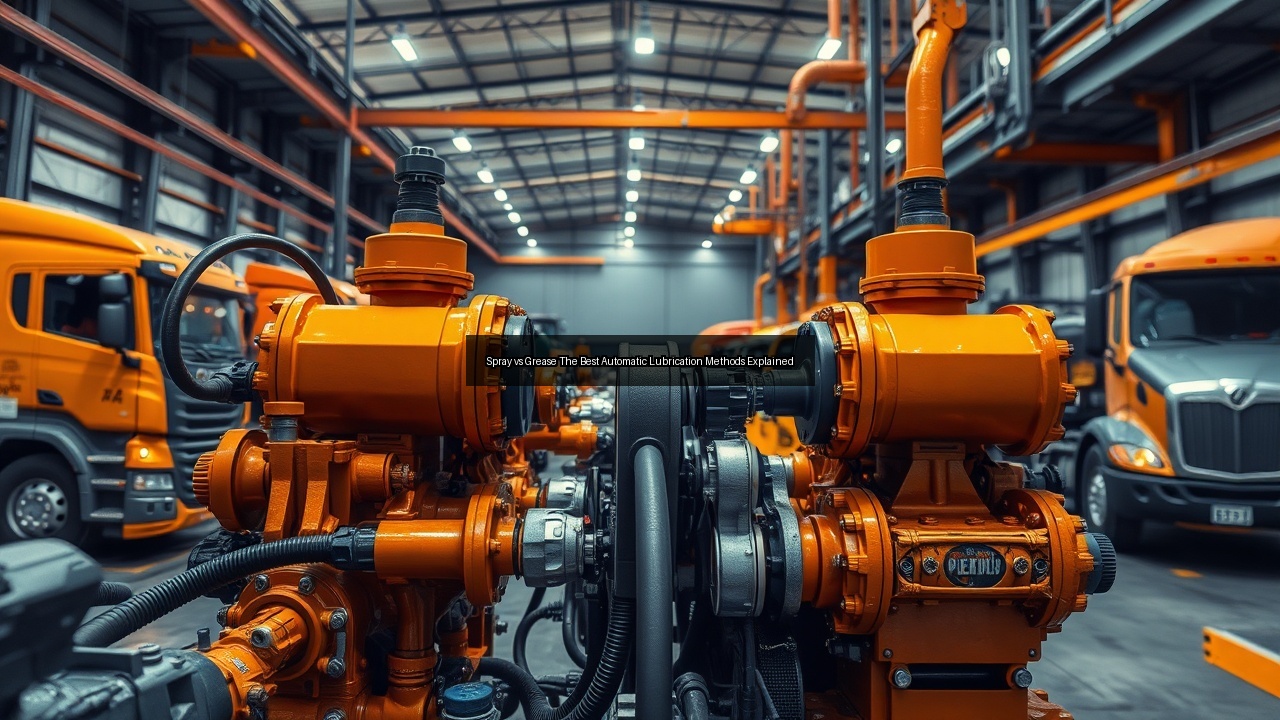
Understanding the key components of an automatic lubrication system is critical for effective implementation and operation. The primary components include pumps, reservoirs, lines, connectors, and automatic lubricators. Pumps, whether electrically or pneumatically powered, deliver the lubricant from the reservoir to the designated points of lubrication, such as bearings and compressors. Reservoirs store the lubricant and must be adequately sized to meet the machinery's needs. Lines transport the lubricant to various components, while connectors ensure a secure fit between the lubrication system and the machinery. Automatic lubricators control the quantity and timing of lubricant delivery, further enhancing system efficiency. Together, these components form a reliable lubrication network crucial for machinery longevity.
How Automatic Lubrication Enhances Reliability
Automatic lubrication systems significantly enhance the reliability of machinery by ensuring consistent and accurate lubricant delivery. These systems reduce wear and tear on mechanical components, leading to fewer breakdowns and extended lifespans for equipment. In environments such as data centers, where uptime is critical, maintaining optimal lubrication levels becomes essential. Regular maintenance and monitoring of lubrication can prevent catastrophic failures that might arise from inadequate lubrication. Additionally, automatic lubrication systems can integrate condition monitoring technology, allowing for real-time assessments of machinery health and lubrication effectiveness. This proactive approach not only prevents unexpected repairs but also optimizes maintenance schedules, resulting in lower maintenance costs and improved operational efficiency.
Spray Lubrication vs Grease Lubrication
Overview of Spray Lubrication Methods
Spray lubrication methods involve applying lubricants in a fine mist, which allows for even distribution over surfaces. This technique is particularly advantageous for components requiring a thin film of lubricant, such as bearings and chains. Spray lubrication systems operate using pneumatic pumps that atomize the lubricant, creating a fine mist that covers large areas. This method is effective in environments where traditional grease might be too heavy or where contaminants can compromise the lubrication. Data centers, for instance, benefit from spray lubrication, as it minimizes dust and debris accumulation, ensuring that sensitive equipment remains clean and operational. Moreover, spray lubrication systems typically require less lubricant than traditional grease methods, making them a more economical choice in some applications.
Advantages of Spray Lubrication in Data Centers
Spray lubrication offers several advantages in data centers, where precision and cleanliness are critical. First, the mist application minimizes the risk of lubricant pooling, which can attract dirt and dust, leading to contamination. This characteristic is particularly important in data centers, where sensitive electronic equipment can be adversely affected by debris. Second, spray lubrication systems can be precisely controlled, allowing operators to adjust the quantity and frequency of application based on automated lubrication real-time needs. This adaptability enhances efficiency and reduces waste. Additionally, the lightweight nature of spray lubricants means they can reach tight spaces and complex geometries within machinery, ensuring comprehensive coverage. The integration of automation further streamlines the process, allowing for consistent lubrication without manual oversight.
Understanding Grease Systems and Their Applications
Grease lubrication systems utilize a thicker lubricant, making them suitable for various applications, particularly in heavy machinery like trucks and trailers. These systems employ a dedicated grease pump that delivers lubricant to bearings, gears, and other components requiring substantial protection against wear and tear. Grease acts as a barrier against moisture and contaminants, making it ideal for environments where equipment operates under harsh conditions. Moreover, grease lubrication systems often feature automatic lubricators that can be programmed to deliver precise amounts at specified intervals, ensuring optimal lubrication without the need for frequent manual checks. This method is especially beneficial in applications where downtime is costly, as it minimizes the frequency of maintenance while maximizing equipment reliability.
Why Choose Grease for Trucks and Trailers
Grease lubrication is the preferred choice for trucks and trailers due to its ability to withstand high pressures and extreme temperatures. The thick consistency of grease allows it to adhere better to components, providing lasting protection against wear. In heavy-duty applications, such as those found in trucking, grease provides a robust solution that minimizes friction and heat buildup, reducing the risk of component failure. Furthermore, grease systems often require less frequent maintenance compared to oil systems, as the lubricant maintains its integrity under challenging conditions. This not only extends intervals between maintenance but also reduces overall maintenance costs. For fleet operators, this translates to increased uptime and lower repair expenses, making grease lubrication a reliable choice for trucks and trailers.
Operational Efficiency and Maintenance Costs
Impact of Automation on Maintenance Costs
The implementation of automatic lubrication systems significantly impacts maintenance costs by reducing the frequency of repairs and maintenance. Automation ensures that machinery receives the correct amount of lubricant consistently, preventing issues related to over- or under-lubrication. This consistency leads to fewer breakdowns, minimizing unexpected repair expenses. By automating lubrication, organizations can also allocate labor resources more efficiently, as employees can focus on other critical tasks rather than manual lubrication. The overall reduction in downtime and repair needs translates to substantial cost savings in maintenance operations. In industries such as manufacturing and transportation, where machinery reliability is vital, investing in an automatic lubrication system pays off in the long run.
Condition Monitoring in Automatic Lubrication Systems
Condition monitoring plays a pivotal role in enhancing the effectiveness of automatic lubrication systems. By integrating sensors and monitoring technology, organizations can track the performance and health of machinery in real time. These systems can analyze parameters such as temperature, pressure, and lubricant levels to determine when maintenance is necessary. Condition monitoring allows for predictive maintenance, where potential issues are identified before they lead to costly failures. This proactive approach ensures that lubrication systems operate at peak efficiency, reducing the likelihood of repairs. In addition to improving operational reliability, condition monitoring contributes to lower maintenance costs by enabling timely interventions and reducing unnecessary maintenance activities.
Comparison of Repair Needs: Spray vs Grease
When comparing spray lubrication to grease lubrication, understanding repair needs is essential. Spray lubrication systems often experience fewer repairs due to their ability to keep components clean and free from debris. The fine mist application minimizes contamination risks, leading to lower wear rates on machinery. Conversely, grease systems, while effective in providing robust protection, may require more frequent maintenance checks to ensure that lubricants remain effective. Grease can harden or degrade over time, necessitating regular inspections and potential repairs. Ultimately, the choice between spray and grease lubrication systems will depend on specific application needs, operating conditions, and the overall maintenance strategy of the organization. automated lubrication
Choosing the Right Lubrication Solution
Factors to Consider When Selecting a Lubrication System
Selecting the right lubrication solution involves assessing several critical factors. First, consider the type of machinery and its operational environment. Equipment operating under high loads and extreme temperatures may benefit from grease lubrication, while lighter applications may perform better with spray lubrication. Second, evaluate the maintenance capabilities of your team. Automated systems can reduce the need for manual checks, but organizations must decide how much automation aligns with their operational goals. Additionally, consider the cost implications, including initial investment and long-term maintenance expenses. Lastly, ensure that the lubrication system can accommodate future expansion or changes in equipment, ensuring long-term viability and effectiveness.
Popular Brands and Their Offerings
Several reputable brands specialize in automatic lubrication systems, each offering unique solutions tailored to various applications. Brands such as SKF, Lincoln, and Graco provide a wide range of lubrication equipment, including pumps, automatic lubricators, and condition monitoring systems. SKF, known for its comprehensive range of lubrication solutions, offers both grease automatic lube systems and oil systems suitable for diverse industries. Lincoln focuses on providing advanced grease systems that enhance machinery reliability in heavy-duty applications. Graco excels in spray lubrication technology, delivering efficient solutions for clean and precise lubrication in sensitive environments like data centers. Researching these brands and their offerings can guide you toward the most suitable lubrication system for your needs.
Future Trends in Lubrication Technology
Future trends in lubrication technology point towards increased automation and integration with IoT (Internet of Things) capabilities. Smart lubrication systems will allow for real-time monitoring and data analytics, enabling organizations to optimize their lubrication strategies further. Predictive maintenance will become more prevalent, using data-driven insights to determine the best lubrication practices. Additionally, advancements in lubricant formulations may lead to more environmentally friendly options that still deliver robust performance. As industries continue to prioritize efficiency and sustainability, the evolution of lubrication technology will play a critical role in machinery reliability and overall operational success.