Innovative Applications of PEEK Machined Parts in Aerospace Engineering
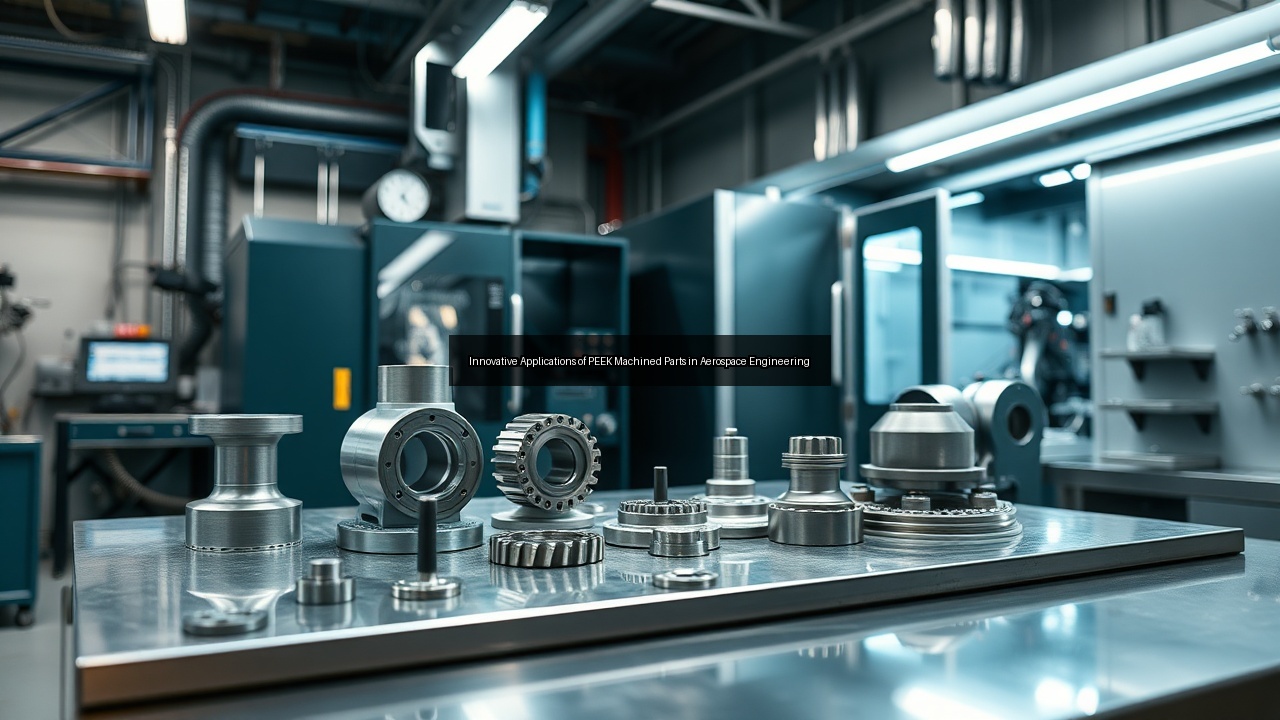
Understanding PEEK and Its Properties
What is Polyether Ether Ketone (PEEK)?
Polyether ether ketone stands out as a high-performance engineering plastic that delivers exceptional strength and stability under extreme conditions. Manufacturers produce PEEK machined parts through precise processes that maintain material integrity. Engineers value peek for its semi-crystalline structure, which supports reliable performance in demanding environments. This polymer resists hydrolysis and maintains dimensional stability across wide temperature ranges. Companies machine peek into custom components rather than relying solely on injection molded alternatives. PEEK forms the backbone of many modern designs where traditional plastics fall short in thermal resistance and mechanical load capacity.
Key Characteristics of PEEK
PEEK exhibits outstanding chemical resistance, low moisture absorption, and high tensile strength that exceeds many competing materials. Its continuous service temperature reaches 250 degrees Celsius without deformation. Machined PEEK parts retain these traits after CNC operations because the material handles cutting forces effectively. Engineers note peek's flame retardancy and electrical insulation properties, which prove essential in aerospace assemblies. The plastic demonstrates excellent fatigue resistance during cyclic loading. These characteristics make PEEK machined parts suitable for repeated stress without cracking or warping over extended operational periods.
Advantages of PEEK Over Traditional Plastics
Engineers choose PEEK over conventional plastics because it offers superior creep resistance and mechanical retention at elevated temperatures. Traditional options soften or degrade quickly, while peek maintains structural integrity. Machining PEEK parts yields tighter tolerances than many injection molded plastics achieve. The material also provides better wear performance in sliding applications. Aerospace teams replace heavier metal components with PEEK machined parts to reduce overall system weight without sacrificing strength. This shift lowers fuel consumption and improves efficiency across flight operations.
Machining Techniques for PEEK Parts
Overview of CNC Machining for PEEK
CNC machining transforms raw PEEK stock into precision components through controlled subtractive processes. Operators program CNC equipment to cut intricate geometries that meet aerospace specifications. Machined PEEK parts emerge with consistent quality when technicians follow optimized feed rates and spindle speeds. CNC methods support both prototyping and high-volume production runs. The process avoids the limitations of casting while delivering superior accuracy for complex contours. Engineers rely on CNC machining to create functional prototypes that replicate final part behavior under operational loads.
CNC Milling vs. Other Machining Techniques
CNC milling removes material efficiently from PEEK blocks using rotating cutters that follow programmed paths. This approach outperforms turning for flat or contoured surfaces common in aerospace brackets and housings. Machining PEEK parts via milling achieves intricate pocket features that drilling alone cannot produce. Compared with grinding or EDM, CNC milling maintains higher material removal rates while preserving surface integrity. Technicians adjust parameters to minimize heat buildup during the cut. The result delivers PEEK machined parts with clean edges ready for assembly.
Tooling and Fixtures for PEEK Machining
Proper tooling extends cutter life when machining PEEK parts. Carbide tools with sharp geometries reduce built-up edge formation on the plastic surface. Engineers design fixtures that secure stock firmly to prevent vibration and maintain tolerance during aggressive cuts. Custom workholding solutions support multiple operations in one setup. These fixtures ensure repeatability across batches of machined PEEK parts. Careful selection of tool coatings further reduces friction and improves chip evacuation throughout the process.
Surface Finish Requirements for PEEK Parts
Aerospace applications demand specific surface finish values on PEEK machined parts to ensure sealing performance and reduce wear. Technicians achieve Ra values below 0.8 micrometers through final passes with polished inserts. Proper coolant application prevents smearing during finishing operations. Surface finish directly influences fatigue life in dynamic components. Post-machining polishing steps refine critical interfaces without introducing stress concentrations. Consistent finish quality across machined PEEK parts supports reliable integration into larger systems.
Innovative Applications of PEEK Machined Parts in Aerospace
Use of PEEK in Aerospace Components
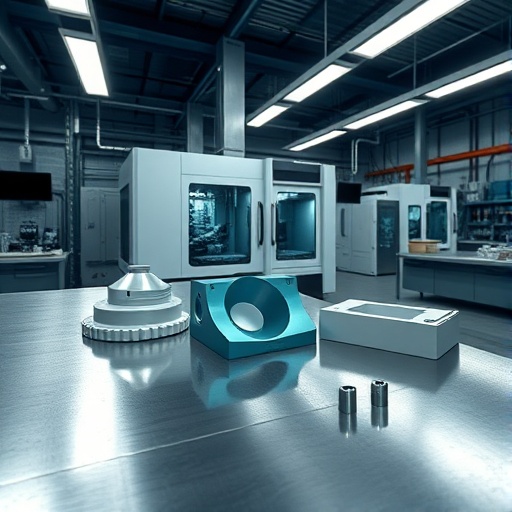
PEEK machined parts serve in structural brackets, cable guides, and thermal insulators throughout airframes. Engineers select peek for its combination of low density and high strength-to-weight ratio. Machining PEEK parts enables rapid iteration on designs that must withstand vibration and temperature cycling. The material replaces metals in non-load-bearing zones to cut weight. Aerospace firms integrate PEEK machined parts into fuel system elements where chemical resistance prevents degradation. This substitution improves longevity and reduces maintenance intervals.
Examples of PEEK Machined Parts in Aircraft Systems
Aircraft valve bodies machined from PEEK withstand corrosive fluids while maintaining precise internal dimensions. CNC machined housings protect sensitive electronics from electromagnetic interference. Machined PEEK parts also appear in actuator linkages and bearing cages that require low friction. Engineers fabricate custom seals and retainers that outperform rubber alternatives under pressure. These components demonstrate how machining PEEK parts delivers tailored solutions for unique aircraft configurations. Flight testing confirms their durability across thousands of cycles.
Benefits of PEEK in Aerospace Engineering
PEEK machined parts reduce overall aircraft mass, which directly improves payload capacity and range. The material's inherent vibration damping lowers noise transmission in cabins. Engineers appreciate the ease of machining PEEK parts for quick design changes during development. PEEK resists jet fuel and hydraulic fluids that attack lesser plastics. These benefits compound when teams replace multiple metal or composite elements with single machined PEEK parts. The outcome includes lower assembly costs and simplified supply chains.
Challenges and Considerations in PEEK Machining
Tool Wear and Maintenance in PEEK Machining
Tool wear occurs gradually during extended runs of machining PEEK parts, especially when cutting parameters exceed optimal ranges. Technicians monitor flank wear to schedule timely replacements and avoid dimensional drift. Regular inspection of cutting edges prevents poor surface finish on finished components. Proper chip management reduces abrasive contact that accelerates wear. Maintenance protocols include cleaning fixtures after each batch to maintain alignment accuracy. Consistent tool management keeps production of machined PEEK parts on schedule.
Achieving Tolerance in PEEK Parts
PEEK exhibits thermal expansion that requires compensation during machining to hold tight tolerance specifications. Engineers program CNC machines with adjusted offsets to account for material spring-back after cutting. Fixture design plays a critical role in stabilizing parts during finishing operations. Measurement with coordinate systems verifies conformance on every machined PEEK part. Achieving tolerance below 0.05 millimeters demands controlled shop environments and calibrated equipment. These steps ensure interchangeability in aerospace assemblies.
Cost Analysis of Machining PEEK vs. Other Materials
Machining PEEK parts carries higher material cost than commodity plastics yet lower overall expense than titanium or zinc components in many applications. Reduced weight translates into fuel savings that offset initial investment. CNC milling of PEEK requires fewer secondary operations than metals, trimming labor hours. Tool life improvements through optimized feeds lower consumable expenses. Teams compare total lifecycle cost rather than focusing solely on per-part pricing. This analysis favors PEEK machined parts for weight-critical aerospace programs.
Future Trends in PEEK Applications
Advancements in PEEK Machining Technologies
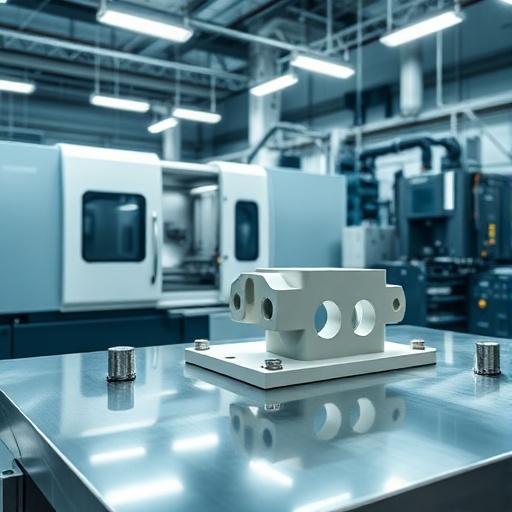
New five-axis CNC platforms enable single-setup production of complex machined PEEK parts with improved accuracy. Adaptive machining software adjusts feeds in real time to maintain consistent chip load. These technologies reduce cycle times while preserving surface finish quality. Hybrid processes combine additive deposition with subtractive finishing for optimized material use. Continued refinement of tooling geometries further extends capability for intricate aerospace geometries. Manufacturers adopt these advances to scale output of PEEK machined parts efficiently.
Sustainability and Eco-Friendly Practices in PEEK Manufacturing
Recycling programs recover machining scrap from PEEK production and reprocess it into lower-grade stock. Water-based coolants replace oil formulations to reduce environmental impact during CNC operations. Energy-efficient spindles lower power consumption across long production runs. Designers minimize waste by nesting multiple machined PEEK parts from single billets. These practices align with aerospace sustainability goals without compromising part performance. Lifecycle assessments guide further improvements in material utilization.
The Role of PEEK in Next-Generation Aerospace Engineering
Next-generation aircraft incorporate increasing numbers of PEEK machined parts in electric propulsion systems and lightweight airframes. The material supports higher operating temperatures in advanced turbine components. Engineers explore blended formulations that enhance specific properties for emerging requirements. Machining PEEK parts enables rapid customization for unmanned aerial vehicles and space applications. Integration with sensors and smart materials expands functional possibilities. PEEK continues to drive innovation where weight, durability, and reliability converge.